Health Management Promotion Activities
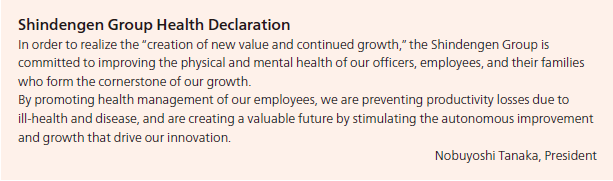
The Shindengen Group regards the physical and mental health of its employees as an important management issue. In March 2024, the Group adopted a “Health Declaration” and, since then, we have been advancing health and productivity management under the Health Promotion Committee, chaired by the officer in charge of safety promotion.
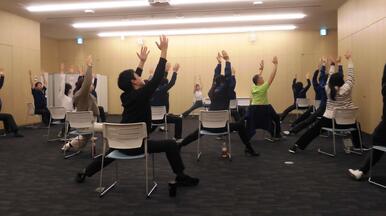
Shindengen’s Asaka Office conducted “Yoga Classes for Desk Workers” as well as various health screenings. Group companies are also introducing health-promotion initiatives tailored to their specific circumstances, such as health seminars. The Shindengen Manufacturing Health Insurance Association also conducts events that utilize walking apps to help employees establish daily exercise habits.
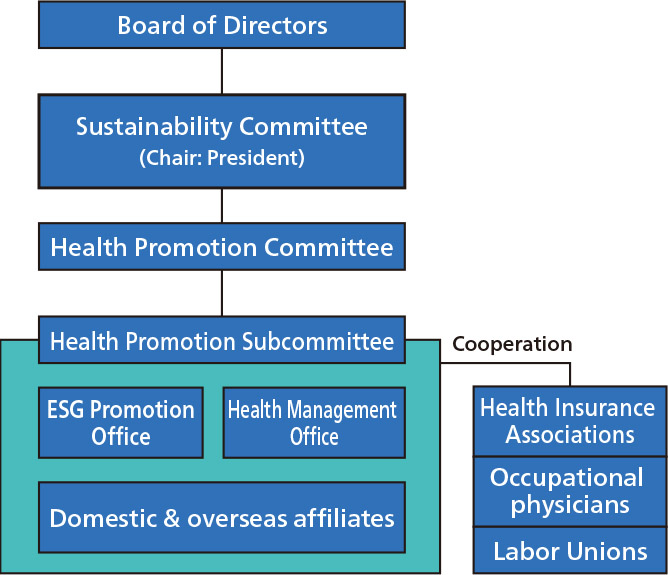
Health Management Strategy Map
The Shindengen Group has created a “Health Management Strategy Map,” which demonstrates the quantitative results of its health management initiatives and activities, and conducts PDCA cycles of those activities. We have defined creating new value and achieving sustainable growth as management issues to be addressed through health management. To this end, we are implementing various health promotion measures to achieve “individual growth and organizational vitality” as well as to strengthen connections between people and between departments.
-
-
-
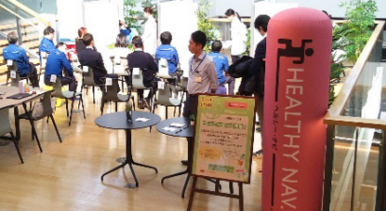
Healthy Navi (Blood vessel age check)
(Shindengen Asaka Office)
-
-
-
-
Yoga for Desk Workers
(Shindengen Asaka Office)
-
-
-
-
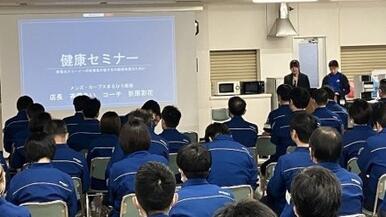
Health Seminar
(Shindengen Three E)
-
Initiatives for Health Management
Health-conscious meals
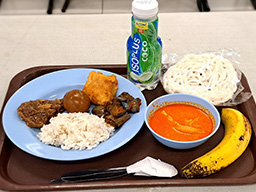
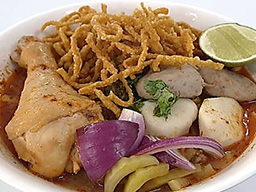
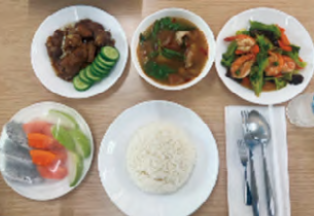
Each company in the Shindengen Group has incorporated delicious healthy meals into their staff canteen menus to support employee health. The staff canteen at Shindengen Electric Manufacturing’s Asaka Office which serves lunch to its employees was certified as a “Saitama Health Promotion Cooperating Store.”
-
-
-
Beef lunch
(Shindengen Indonesia)
-
-
-
-
Khao soi (northern Thailand specialty cuisine)
(Lumphun Shindengen)
-
-
-
-
Stir-fry and soup set with fruit
(Shindengen Thailand)
-
-
-
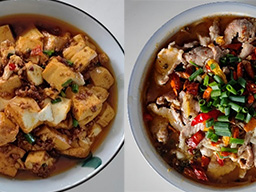
-
Mapo tofu
Swiss chard with boiled meat
(Guangzhou Shindengen)
-
-
-
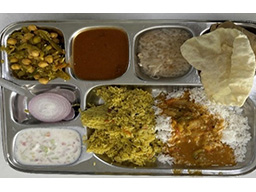
-
Lunch plate
(Shindengen India)
-
Smoking cessation support
The Shindengen Group considers the health and welfare of its employees to be a priority issue. We are therefore providing a range of services to support our employees' efforts to quit smoking, such as holding anti-smoking seminars and distributing free anti-smoking gum.
Communication
Effective communication among employees is an important means of accomplishing ESG tasks. The exchange of opinions and sharing of information between employees is crucial for promoting diversity and inclusion and for promoting initiatives such as improving our working environments. This in turn increases employee engagement and strengthens corporate culture. The Shindengen Group has adopted “connection” as its theme and is working to promote communication.
-
-
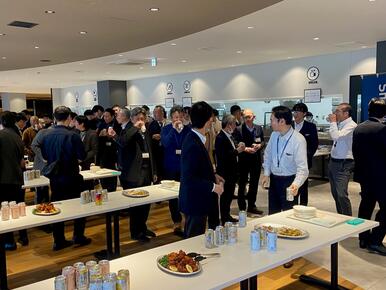
-
Year-end party
(Shindengen)
-
-
-

-
Christmas party
(Shindengen Philippines)
-
-
-
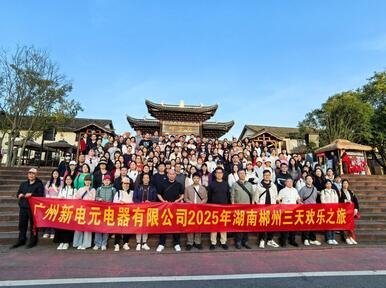
-
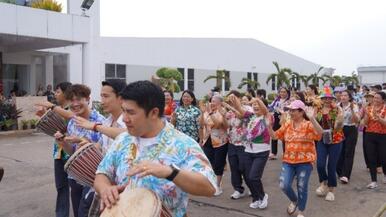
Company trip
(Guangzhou Shindengen)
-
-
-
-
Club activity
(Lumphun Shindengen)
-
-
-

-
Karaoke contest
(Shindengen Indonesia)
-
-
-

-
Sporting event
(Shindengen Vietnam)
-
-
-

-
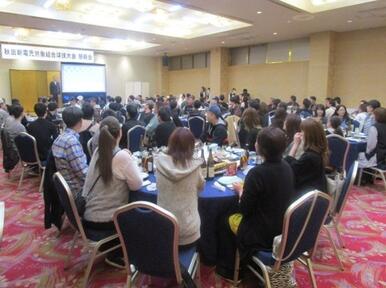
Sports competition
(Shindengen India)
-
-
-
-
Bowling tournament
(Akita Shindengen)
-
-
-

-
Rescue of an injured lost owl
(Shindengen Thailand)
-
The Effects of Health and Productivity Management
At Shindengen, we monitor the situation using the following indicators to prevent productivity loss caused by poor health or illness and to promote voluntary improvement activities and growth.
|
Productivity Indicators |
FY2024 | FY2025 | FY2026 | |||
|
Number of Respondents or Response Rate
|
Actual Value
|
Number of Respondents or Response Rate |
Actual Value
|
Number of Respondents or Response Rate
|
Actual Value | |
|
Presenteeism※1
|
99.1% | 19.3% | 97.9% | 19.4% | 98.2% | 17.8% |
|
Absenteeism※2
|
1,152people | 3.8days | 1,174people | 3.4days | 1,136people | 3.5days |
|
Work Engagement※3
|
99.1% | 2.49points | 97.9% | 2.48points | 98.2% | 2.52points |
※1 Measurement Method: The value obtained by subtracting the average score of responses to SPQ (University of Tokyo 1-item version) from 100.
※2 Measurement Method: Aggregate the number of leave days of one week or more (regardless of paid or unpaid status and regardless of reason for illness), then divide the total accumulated sick leave days by the number of employees to calculate the sick leave day-per-person rate.
※3 Measurement Method: Average score of the Brief Job Stress Questionnaire (shortened 80-item version).